
Who Pays for What? Repair Responsibilities Between Owners and Tenants
A clear guide to understanding who is responsible for maintenance, repairs, damages, and everyday property expenses in a rental home.
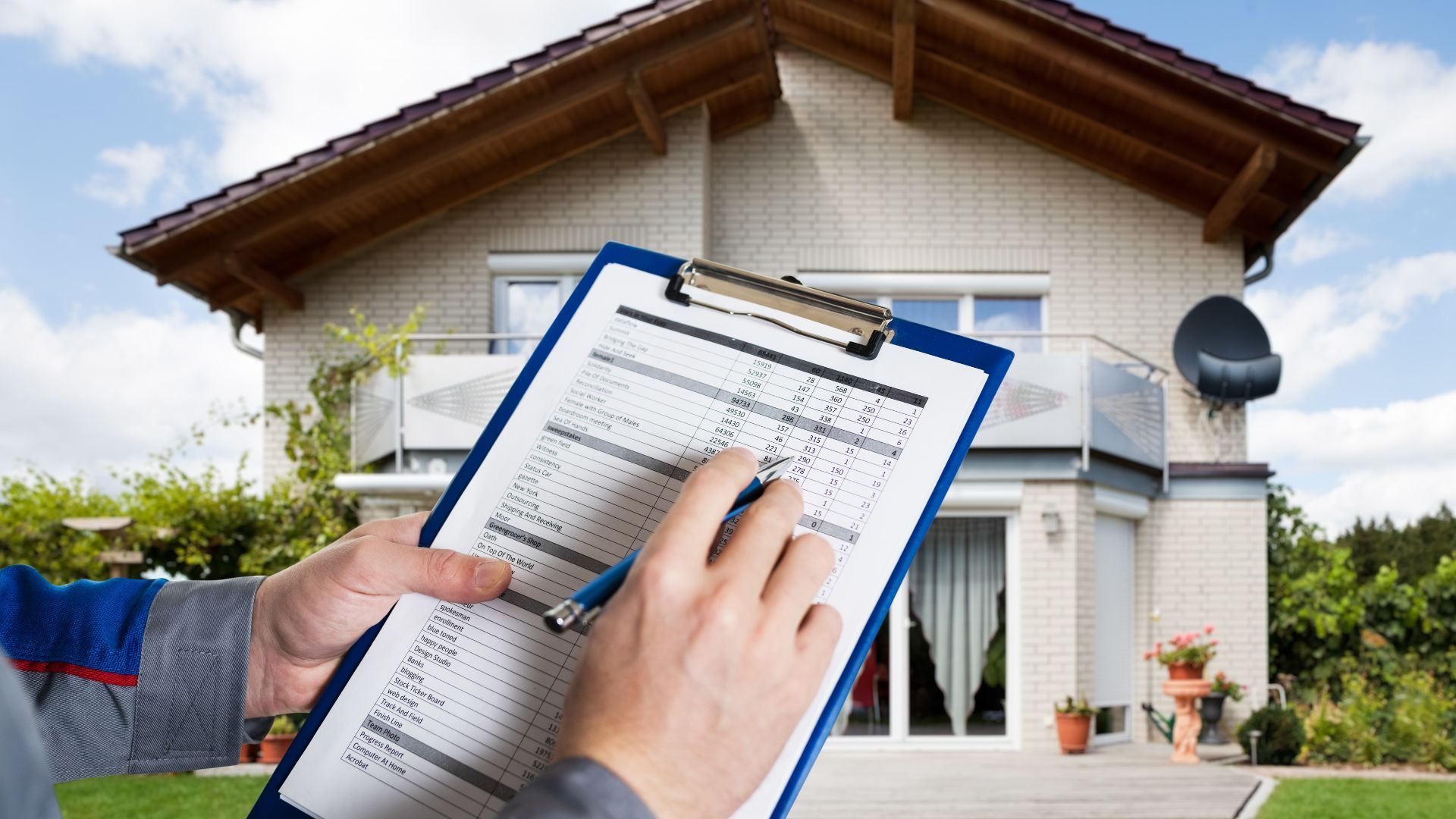
Few questions generate more friction per square foot of rental housing than this one. The garbage disposal jams whose bill? The drain clogs depends on why? The window latch breaks, the bulb in the twelve-foot stairwell dies, the toddler's crayon meets the hallway wall every rental tenancy is a running series of who-pays-for-what moments, and the relationships (and court outcomes) that go bad usually trace to owners and tenants carrying two different answer keys.
California actually provides most of the answer key a clear legal floor of owner obligations, a defined set of tenant duties, and a body of practice around the genuinely gray middle. This guide lays out all three, in tables you can practically staple to a lease. As habitability-fluent rental property managers clarifying repair responsibilities for LA owners and tenants, we adjudicate these moments daily across hundreds of tenancies and the properties with the least friction are always the ones where both parties learned this framework before the disposal jammed. It's the same framework inside every lease our Burbank rental management team writes. (Educational overview, not legal advice specific disputes deserve specific counsel.
The Legal Floor: What Owners Must Pay For, Always
California's implied warranty of habitability codified in Civil Code §1941.1 and decades of case law makes certain conditions the owner's responsibility regardless of what any lease says. You cannot contract these away; clauses attempting to shift them to tenants are void. The owner's non-negotiable column:
- Effective weatherproofing: roof, walls, windows, and doors that keep weather out
- Plumbing and gas in good working order, connected to approved systems including hot and cold running water and a working sewage/septic connection
- Heating facilities in good working order (note: heat is required; air conditioning generally is not though in practice, Valley summers make AC a market requirement even where it isn't a legal one)
- Electrical systems and lighting in good working order and safe condition
- Clean and sanitary buildings and grounds at commencement, free of pests and rodents (ongoing pest control is generally owner territory too, with a carve-out where infestation is caused by tenant housekeeping)
- Floors, stairways, and railings in good repair
- Locks and security devices meeting statutory requirements; smoke and CO detectors operational
- Adequate trash receptacles
Add to this everything structural and systemic: foundation, major systems (HVAC, water heater), appliances the owner provides, and the category owners forget normal wear and tear, which is always the owner's cost at every stage of the tenancy and at deposit time. Carpet flattening in traffic paths, paint fading, caulk aging: these aren't anyone's fault; they're the physics of occupancy, priced into rent.
The Tenant's Column: What Renters Must Pay For
California law (Civil Code §1941.2) and standard leases assign tenants a real set of duties:
- Keeping the premises clean and sanitary housekeeping is a legal duty, not a preference, and habitability protection can be reduced where tenant filth causes the condition
- Using fixtures properly and disposing of trash appropriately
- Damage beyond normal wear caused by the tenant, their household, guests, or pets the broken window from the backyard game, the pet-stained carpet, the hole behind the door with no stop... wait, the missing door stop is on the owner; the hole is a conversation. (See the gray zone below this is exactly why documentation matters.)
- Consequences of misuse: the disposal jammed by chicken bones, the drain clogged by wipes, the septic system abused despite the lease's flushing rules repairs traceable to violation of reasonable, disclosed use terms are chargeable
- Lease-assigned light upkeep: on single-family homes, yard care and similar routine tasks can be assigned by lease (within reason hazard abatement and anything touching habitability cannot); replacing their own bulbs in reachable fixtures and smoke-detector batteries mid-tenancy are commonly and validly assigned
- Prompt reporting. Not a payment duty but a liability-shifting one: tenants who conceal or fail to report conditions (the slow leak that becomes the subfloor) can bear responsibility for the aggravation of damage, even where the underlying repair was the owner's
The Gray Zone: Where Disputes Actually Live
Real friction concentrates in a handful of recurring scenarios. Here's how professional practice resolves them:
Scenario - Who Pays and Why
Clogged drain/toilet - Cause decides: hair and build-up over years = owner (system maintenance); wipes, toys, grease = tenant (misuse). The plumber's finding in writing is the evidence request it on every call.
Garbage disposal failure - Age and wear = owner. Foreign objects = tenant. Same rule: get the tech's written cause.
Broken window - Impact from inside/guests = tenant. Seal failure, age, settling cracks = owner.
Light bulbs - Reachable standard fixtures mid-tenancy = tenant (assign in lease). High/specialty fixtures and common areas = owner. All fixtures working at move-in = owner.
Pest infestation - Default owner except where documented tenant housekeeping caused it, a high evidentiary bar in practice.
Mold - Source decides: intrusion/plumbing (owner's systems) = owner, including remediation. Tenant-caused humidity practices despite ventilation provided = shared analysis. Either way: respond fast mold is where habitability liability compounds.
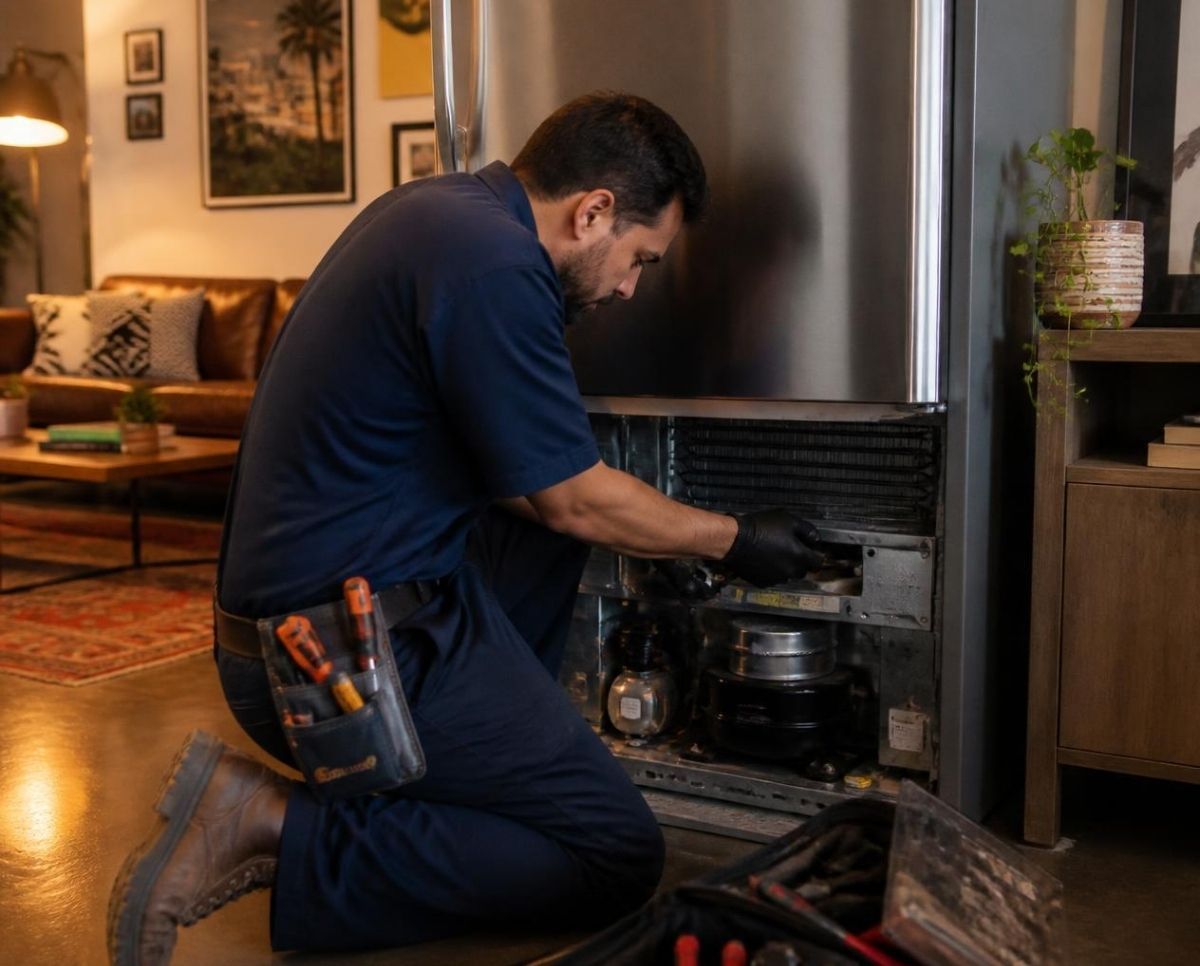
Appliance breakdown - Owner-provided appliances = owner (wear) unless misuse is documented. Tenant-owned appliances = tenant, always.
Yard and trees - Routine mowing/watering assignable by lease on SFHs. Tree work, irrigation systems, hazard abatement (including fire-clearance compliance) = owner, non-delegable.
Lockouts and lost keys - Tenant. Failed lock mechanisms = owner.
The through-line: cause determines cost, and evidence determines cause. Which is why the operational disciplines this blog preaches move-in photo documentation, written work orders, vendor cause-findings, inspection records are really dispute-prevention machinery. It's the standing infrastructure of documentation-driven rental repair management in Los Angeles, and it converts most who-pays arguments into thirty-second file lookups.
Saying It Well: The Communication Layer
The framework only prevents friction if it's communicated like a policy rather than an accusation. Three scripts worth internalizing. At move-in: "Here's our responsibilities sheet it covers who handles what, so there's never a surprise. Short version: if it's the building or its systems, that's us, and fast; if it's damage or misuse, that's billed at cost with documentation; when it's unclear, the repair tech's written finding decides." When a repair turns out tenant-caused: lead with the fix, not the bill "The disposal's repaired and working. The plumber's report found a bottle cap in the unit, so per the lease this one's billed to you at his actual invoice, attached along with his write-up." Evidence first, tone neutral, cost transparent. When it's yours: own it without ceremony and add the timeline "That's on us normal wear on a fifteen-year-old unit. Replacement's ordered, installed Thursday." The pattern across all three: decisions announced with their evidence, never argued from authority. Tenants accept adverse outcomes at remarkable rates when the reasoning travels with the invoice and the owners who communicate this way almost never see the inside of small claims court on a repair dispute.
The Enforcement Layer: What Happens When Owners Don't Pay
Owners should know the tenant-side remedies, because they define the cost of getting this wrong. For habitability items, California tenants who've given notice and reasonable time may: repair and deduct (up to one month's rent, twice in 12 months), withhold rent in serious cases, vacate without further liability where conditions are severe, or report to code enforcement and retaliation against any of these is separately unlawful. Habitability litigation adds rent abatement, damages, and fee exposure on top. The practical translation: the owner's column above runs on a clock same-day response for the serious items (no heat, no water, sewage), days not weeks for the rest and the cheapest version of every obligation is the prompt one. This is precisely the response-time machinery that separates professionally run properties, whether a single home under responsive single family repair management or a building where one riser serves twelve units and multifamily maintenance operations keeps the habitability clock from ever starting.
Special Configurations Worth Naming
Condos split three ways: owner, tenant, and association the HOA typically owns everything from the studs out (roof, exterior, common plumbing) while the owner covers in-unit items, boundaries defined by the CC&Rs. Landlords of condo rentals should know their governing documents cold and loop the association early on boundary-spanning repairs; it's coordination our HOA management colleagues navigate constantly. House-plus-ADU lots need lease clarity on shared systems (one septic, two households) and yard allocation. And new construction and remodels are where responsibility gets designed: durable material choices and clear system boundaries reduce a property's future gray zone, a lifecycle consideration inside our development consulting work.
Building the Answer Key Into the Tenancy
Four practices eliminate most friction before it starts:
- A responsibilities addendum in every lease: the tables above, adapted to the property (SFH yard terms, septic rules, appliance inventory), signed at move-in.
- Move-in documentation the condition record that later separates wear from damage.
- Cause-findings on every repair: instruct vendors to state cause in writing on the invoice; it's free and it's the whole evidence file.
- Charge fairly and promptly when it is tenant-caused: documented, itemized, at actual cost with depreciation where relevant mid-tenancy or via the deposit process at the end. Fair enforcement sustains the standard; selective or inflated charging destroys the relationship and the legal position simultaneously.
Frequently Asked Questions
Can my lease make the tenant responsible for all repairs under $100? No habitability obligations can't be shifted regardless of dollar amount, and blanket "tenant pays small repairs" clauses are unenforceable against owner-responsibility items. What leases can validly assign: specified light upkeep (bulbs, batteries, SFH yard basics) and liability for tenant-caused damage which is what a well-drafted addendum does instead.
The repair is the tenant's fault but they refuse to pay. Now what? Document the cause (vendor finding, photos), complete the repair promptly anyway you can't let a habitability item fester as leverage then bill in writing with the evidence attached. Unpaid, it becomes a lease-compliance matter during tenancy or a documented deposit deduction at the end. The evidence file, not the argument, wins this.
Do I have to provide air conditioning in the Valley? Legally, heat is required and AC generally isn't (local codes vary check your city). Practically, if AC exists you must maintain it once it's a provided amenity, and failing AC in a 105° week is treated with near-habitability urgency by everyone including judges' sympathies. Market reality: Valley units without cooling compete in a discount tier anyway.
Who pays for damage from a break-in? Building repairs (door, window, locks) = owner security of the structure is owner territory, and prompt re-securing is urgent. The tenant's stolen or damaged belongings = their renters insurance, which is exactly why your lease requires it.
Key Takeaways
- California sets a non-waivable owner floor weatherproofing, plumbing, heat, electrical, pests, structure, and all normal wear that no lease clause can shift.
- Tenants lawfully carry cleanliness, proper use, damage they cause, prompt reporting, and reasonable lease-assigned light upkeep.
- The gray zone resolves on one principle: cause determines cost, evidence determines cause so build cause-findings and documentation into every repair.
- Owner obligations run on a clock, and tenant remedies (repair-and-deduct, withholding) price the cost of missing it; prompt is always the cheap version.
Related Resources
- The maintenance-response speed that decides both legal exposure and tenant renewals
- Why undocumented, improvised repair handling is a hidden cost center for DIY owners
- The scheduled-care program that prevents most who-pays disputes from ever arising
- How professional vendor relationships produce the written cause-findings that settle arguments
- When repair-coordination load becomes the reason apartment owners professionalize
Conclusion
"Who pays for what" stops being a fight the moment it becomes a framework: the owner's non-waivable floor, the tenant's genuine duties, and a gray zone that cause-plus-evidence resolves case by case. Put the framework in the lease, the documentation in the file, and the response times on a clock, and repair moments become administration instead of drama for both parties, which is rather the point. Owners who'd like the framework installed, papered, and enforced as a standing system know where our Glendale rental property management team spends its days.
Is your lease's repair language actually enforceable and is your documentation dispute-ready? Request a Free Property Audit including a review of your responsibility allocations, addenda, and evidence practices against California's framework.